 EN
EN

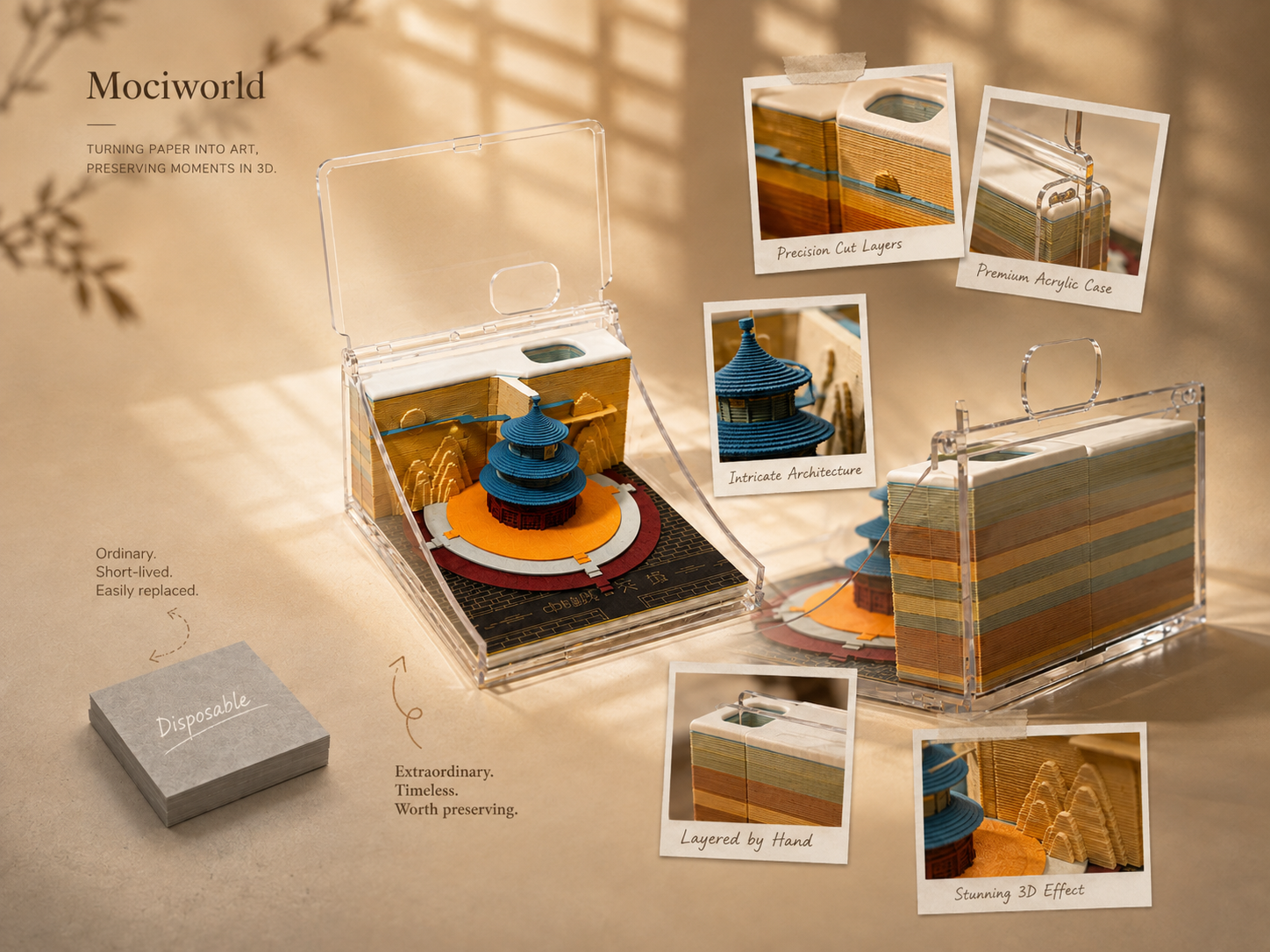
For many buyers, paper products are still seen as simple commodities: practical, inexpensive, and easy to replace.
But when paper is combined with structural design, precision cutting, creative engineering, and brand storytelling, it can become something very different.
A logo can become a three-dimensional sculpture.
A landmark can become a memorable souvenir.
A product concept can become an interactive corporate gift.
A simple memo pad can gradually reveal a hidden piece of paper art as it is used.
This is where paper engineering creates new possibilities for brands, museums, gift companies, cultural organizations, and promotional product distributors.
At MociWorld, we do more than manufacture paper products. We help customers transform ideas, images, logos, architecture, cultural elements, and creative concepts into customized 3D paper products that can be produced at commercial scale.
Our role is not simply to be a supplier.
We aim to be a Creative Paper Engineering & Product Development Partner.
What Makes a 3D Paper Product Different?
Traditional paper products usually become less valuable as they are used.
A conventional memo pad, for example, simply gets smaller until all the sheets are gone.
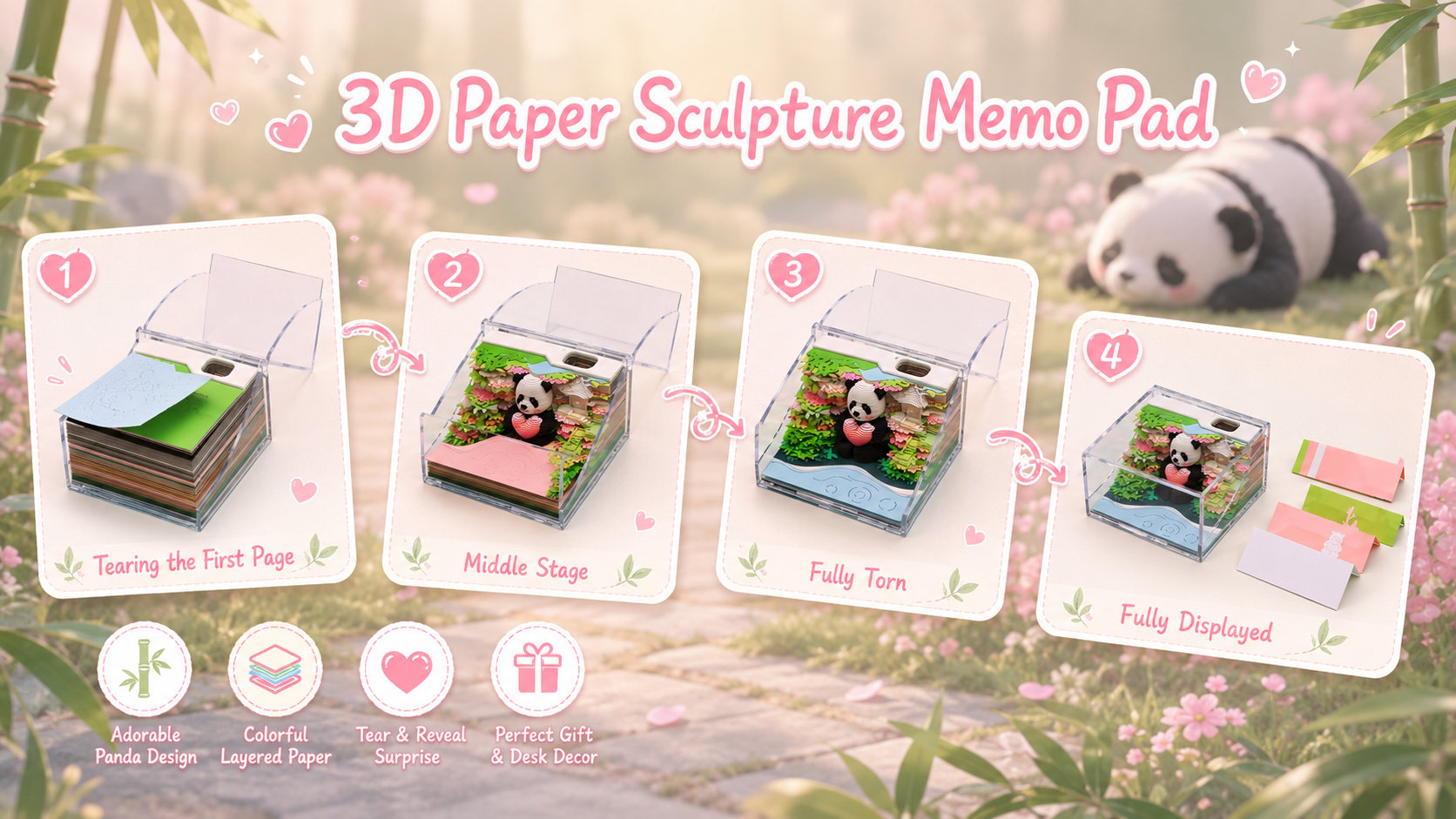
A 3D Paper Memo Pad creates a different experience.
Inside the stacked sheets is a carefully designed three-dimensional structure. As the user removes the memo sheets one by one, the hidden sculpture gradually becomes more visible.
The product therefore goes through several stages:
Functional stationery → Interactive experience → 3D reveal → Display object
This gradual transformation is one of the most distinctive features of our 3D paper products.
A customer may begin by using it as a practical memo pad on a desk, but over time, a building, landmark, logo, product, character, plant, or other customized shape begins to emerge.
Once fully revealed, the remaining paper sculpture can continue to stay on a desk, shelf, reception counter, or display area.
This gives the product a much longer visual life than ordinary promotional stationery.
For brands, that means the gift does not simply carry a logo for a few days. It can become a lasting physical reminder of the brand, destination, event, or story behind it.
From a 2D Idea to a Custom 3D Paper Product
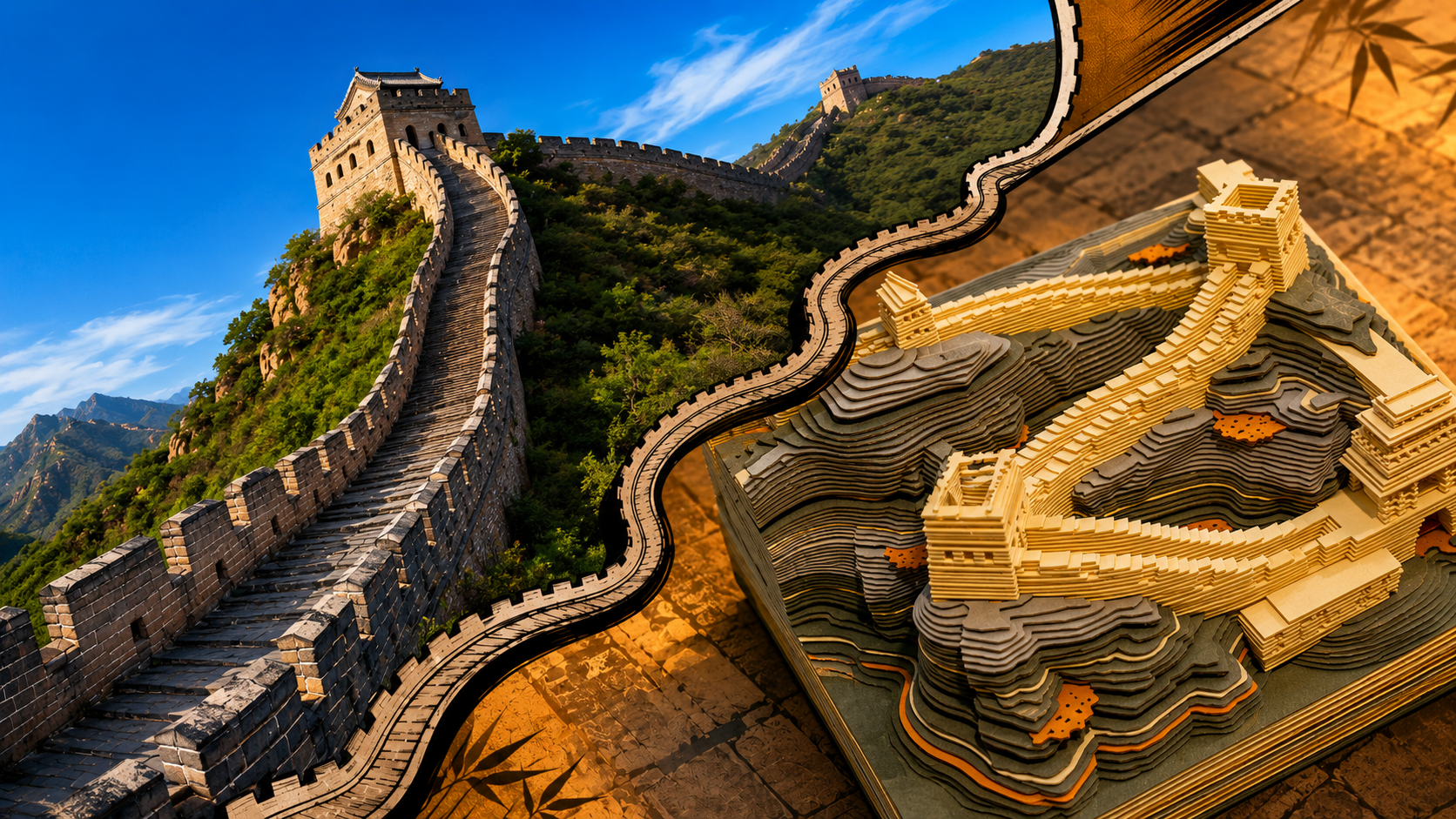
One of the most important parts of paper engineering is not cutting the paper.
It is deciding how a two-dimensional idea can become a producible three-dimensional structure.
Customers do not need to prepare a complete 3D model before contacting us.
They can start with:
A logo
A product image
A photograph
An architectural image
A landmark
A sketch
An illustration
An IP or mascot
A reference picture
Or simply a creative idea
Our design team evaluates the visual elements and considers how they can be converted into layers, depth, cutting paths, supporting structures, and a stable final form.
The development process normally follows four main steps.
Step 1: Concept and Structural Design
The customer provides the original idea, image, logo, sketch, or reference material.
Our designers then study the visual characteristics and begin converting the 2D concept into a three-dimensional paper structure.
This stage considers not only appearance, but also how the structure can actually be manufactured and assembled efficiently.
Step 2: 3D Modeling and Rendering
After the initial structure is developed, we create a digital 3D model and computer rendering.
The rendering allows the customer to preview the expected appearance before physical production begins.
This is particularly important for complex architecture, branded objects, cultural designs, and products involving multiple layers.
It allows both sides to review proportions, visual depth, structure, color, and overall presentation before moving to the physical sample stage.
Step 3: Physical Samples
Once the digital design is confirmed, we produce two physical samples for evaluation.
Design and sample development normally takes around 7 days, depending on the complexity of the project.
The customer can then evaluate the actual structure, paper effect, colors, assembly, packaging, and overall presentation.
Step 4: Mass Production
After the sample is approved, the project moves into mass production.
For many of our main products, the MOQ can start from approximately 100 pieces, making it possible for customers to test a new concept without immediately committing to a very large quantity.
Production time depends on the product structure, customization level, and order quantity.
For reference, a standard order of around 100 pieces can normally be produced in approximately 8 days after sample approval.
For larger projects, our production capability can support quantities of 50,000 pieces or more, with the production schedule adjusted according to project requirements.
Precision Laser Cutting and Layered Paper Engineering
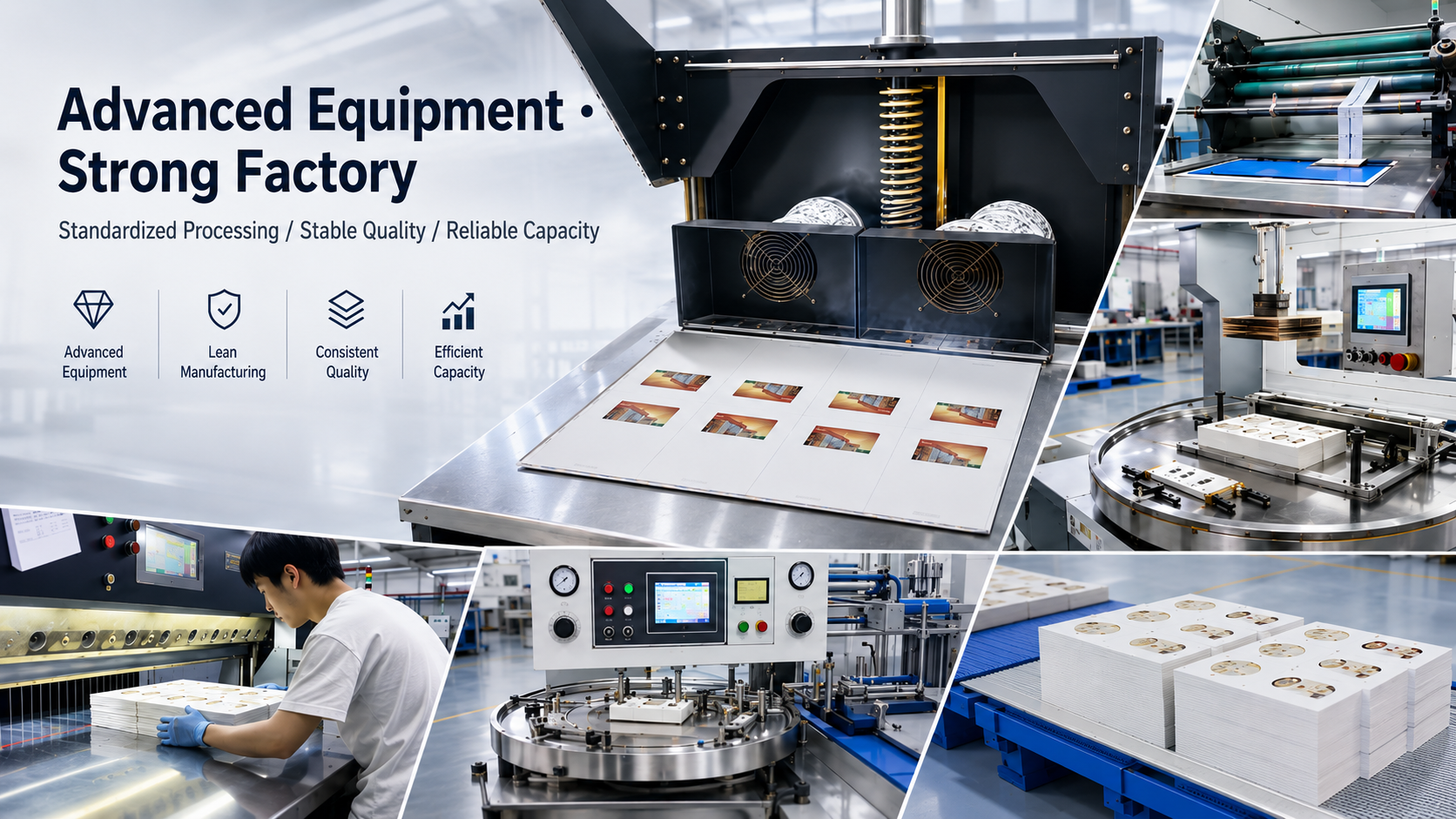
For products such as our 3D memo pads, 3D paper notebooks, paper lights, and frame lights, one of the key manufacturing processes is precision laser cutting.
Individual sheets are carefully cut according to the designed structure and then assembled or stacked in a controlled sequence.
A successful layered paper sculpture requires more than simply cutting an outline.
The final result depends on:
- Cutting precision
- Layer alignment
- Structural stability
- Paper thickness
- Depth control
- Color consistency
- Assembly accuracy
- Repeatability during mass production
Small deviations between layers can influence the final appearance of a detailed 3D structure.
For this reason, design engineering and production control need to work together from the beginning of the project.
Beyond Layered Paper: Pop-Up and Structural Paper Products
Our paper engineering capabilities are not limited to layered memo pads.
MociWorld also develops pop-up cards and customized structural paper products.
These products use combinations of cutting, scoring, folding, structural support, and opening mechanisms to create three-dimensional forms from flat paper.
Depending on the project, we can therefore work with different paper engineering approaches:
Layered Paper Engineering
Suitable for 3D memo pads, notebooks, paper lights, frame lights, architectural sculptures, and similar products.
Pop-Up & Structural Paper Engineering
Suitable for pop-up cards, interactive paper structures, display concepts, and customized promotional products.
This flexibility allows us to select the most suitable construction method according to the customer's visual concept, budget, usage scenario, and production quantity.
Quality Matters in B2B Paper Engineering
Creative design is only valuable when it can also be reproduced consistently.
For B2B projects, especially corporate gifts, museum merchandise, branded products, and larger promotional programs, buyers need both visual quality and production reliability.
Our quality control focuses on several key areas.
Structural Accuracy
For applicable structures, critical cutting, scoring, folding, and alignment dimensions are controlled carefully, with tolerances reaching approximately ±0.2 mm where required.
Material Control
We work with FSC® certified paper and evaluate materials according to the requirements of the project, including characteristics such as tear resistance, humidity performance, and color stability.
Structural Durability
For applicable opening and closing paper structures, durability testing can include repeated operating cycles to verify that the structure remains functional and visually stable.
Batch Consistency
During mass production, we pay close attention to color, cutting accuracy, paper sequence, assembly, and finished-product appearance so that later units remain consistent with the approved sample.
This is especially important when a customized product represents a customer's brand.
Where Can Custom Paper Engineering Products Be Used?
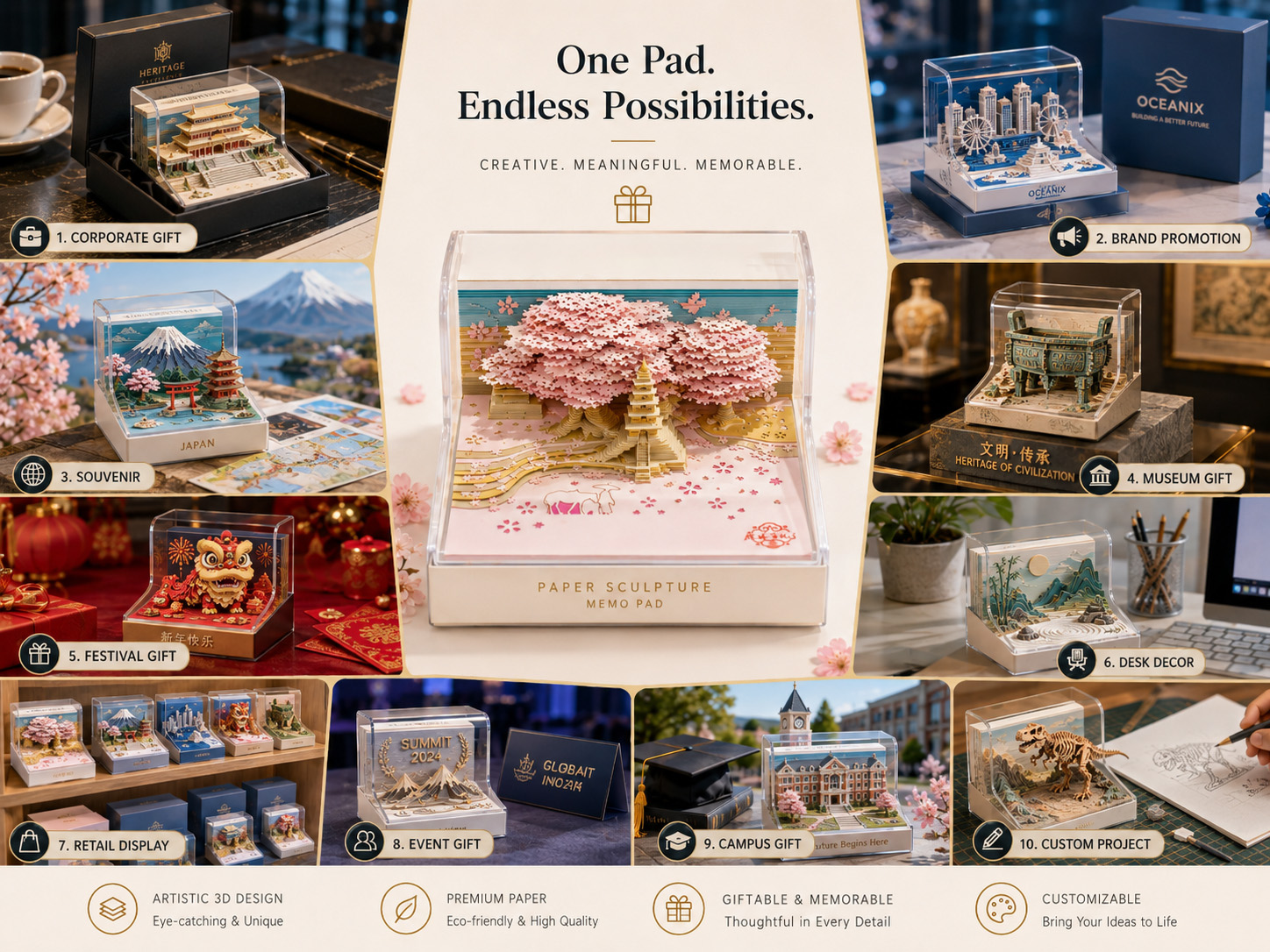
The value of custom paper engineering becomes especially clear when a product needs to represent something meaningful.
Typical applications include:
Corporate Gifts
A company logo, headquarters, product, vehicle, or brand symbol can be transformed into a customized paper product for employees, customers, distributors, or VIP guests.
Museum and Cultural Merchandise
Museum architecture, artifacts, sculptures, exhibitions, and cultural symbols can become distinctive retail merchandise rather than generic souvenirs.
Tourism and Landmark Souvenirs
Famous buildings, skylines, monuments, and destination icons are naturally suited to three-dimensional paper products.
Brand Campaigns and Events
Product launches, anniversaries, exhibitions, conferences, and brand activations often require merchandise that feels more distinctive than a standard logo-printed gift.
IP and Creative Merchandise
Characters, mascots, illustrations, game scenes, and other licensed creative assets can also be explored through customized paper structures.
More Than a Paper Product Supplier
For customized paper engineering projects, the most important question is not simply:
“What products can you manufacture?”
A more useful question is:
“How can we turn this idea into a product?”
That is the way we approach product development at MociWorld.
Our team works from the original concept through structural design, digital rendering, sampling, optimization, and mass production.
The customer brings the story.
We help engineer the structure that brings it into the physical world.
Whether the starting point is a logo, landmark, architectural image, product, artwork, cultural symbol, or completely new idea, our goal is to transform it into a paper product that people can use, discover, display, and remember.
Have an idea you would like to turn into a 3D paper product?
Send us your logo, image, sketch, landmark, product reference, or creative concept.
Our design team can evaluate how it can be transformed into a customized paper engineering product and guide the project from concept to mass production.
Table of Contents
- What Makes a 3D Paper Product Different?
- From a 2D Idea to a Custom 3D Paper Product
- Precision Laser Cutting and Layered Paper Engineering
- Beyond Layered Paper: Pop-Up and Structural Paper Products
- Quality Matters in B2B Paper Engineering
- Where Can Custom Paper Engineering Products Be Used?
- More Than a Paper Product Supplier