 EN
EN

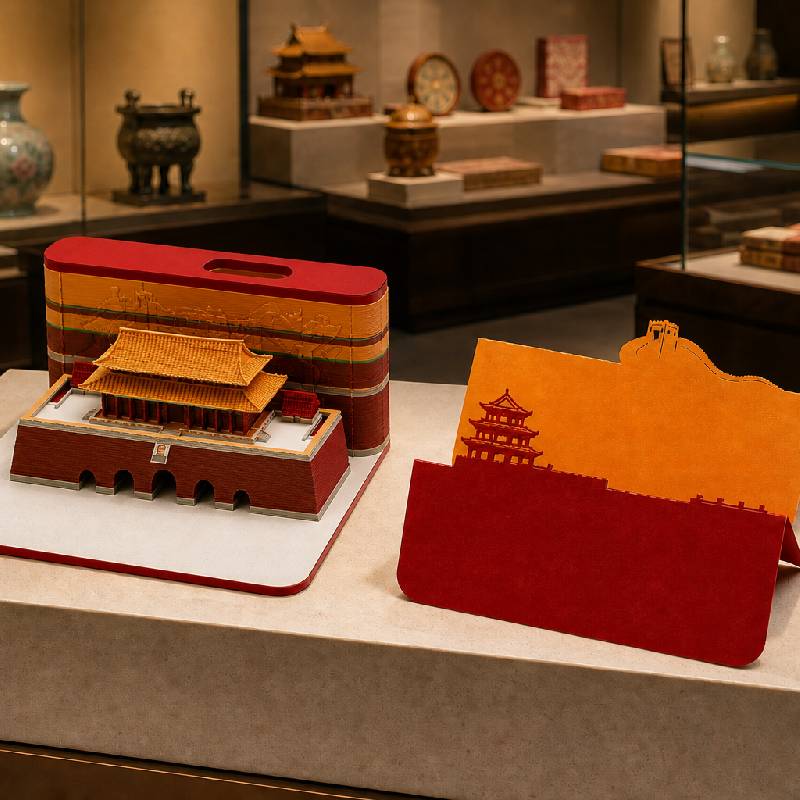
Museum- en aantreklikheidsgeskenkartikels het 'n bewys-bewys-formule deurgemaak wat reeds dekades lank bestaan: poskaarte, magnete, sagte speelgoed en massaprodukte. Hulle verkoop wel, maar bly nie. Besoekers neem hulle huis toe, net om hulle op 'n rak te vergeet. Mociworld is 'n ingryping in hierdie status quo. 'n Geskenkartikel moet nie bloot 'n herinnering aan 'n besoek wees nie – dit moet die besoek herstel. Ons gebruik presisie-ontwikkelde 3D-papierbeeldhoukuns om kulturele instellings te help om hul mees ikoniese bates – soos 'n Gotiese katedraal se rosevenster, 'n dinosourus se kragtige houding of 'n tempel se wyd uitgestrekte dak – in gelaagde, aanvoelbare papierkunswerke te omskep wat mense met trots vir jare lank vertoon.
Van Argitektuur na Papier: Beeldhou van Geboue en Landmerke
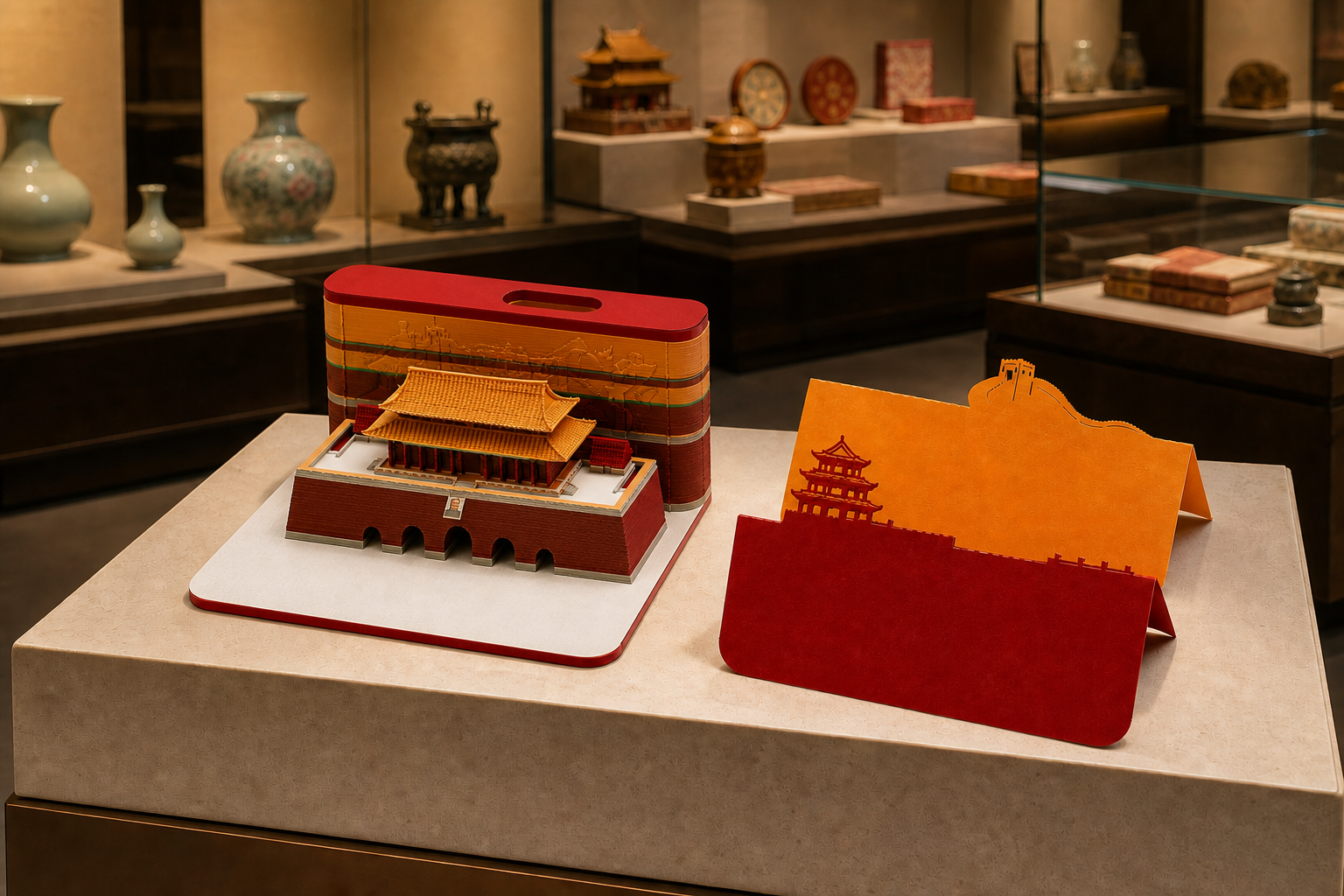
Die silhoeët, tekstuur en strukturele ritme van elke landmerk vertel ’n storie. Ons begin deur daardie storie op te breek in ingenieursblouprints. Die goue dake en vermillionmuur van die Verbode Stad kon in 15–20 stukke presies gesnyde papier vervaardig word, waarvan elkeen perfek gesny en in mekaar gepas is sonder lyms of ingewikkelde verbindings; die oorvleueling van die lae sou die diepte-effek van vasgeplakte lae gee, maar met ’n varsheid wat vasgeplakte lae nie het nie. Vir die Sydney Operahuis word die seilagtige skulpe deur ’n reeks gekromde papierpanele voorgestel wat versprei word wanneer die notisieblokkie omgedraai word. Die resultaat is nie ’n plat prent nie — dit is ’n klein papiermonument wat ontwikkel as ’n funksie van hoek en beligting, net soos die werklike struktuur. Om te bepaal watter gedeelte van die uitsig, watter tyd van die dag of watter besonderheid van die seisoen (kersblomme rondom ’n pagode, herfsblare oor ’n brug) die fokus van die beeldhouwerk vorm, werk ons saam met aantrekkingsplekbestuurders.
Asem in versamelings blaas: Museumvoorwerpe as 3D-verhale
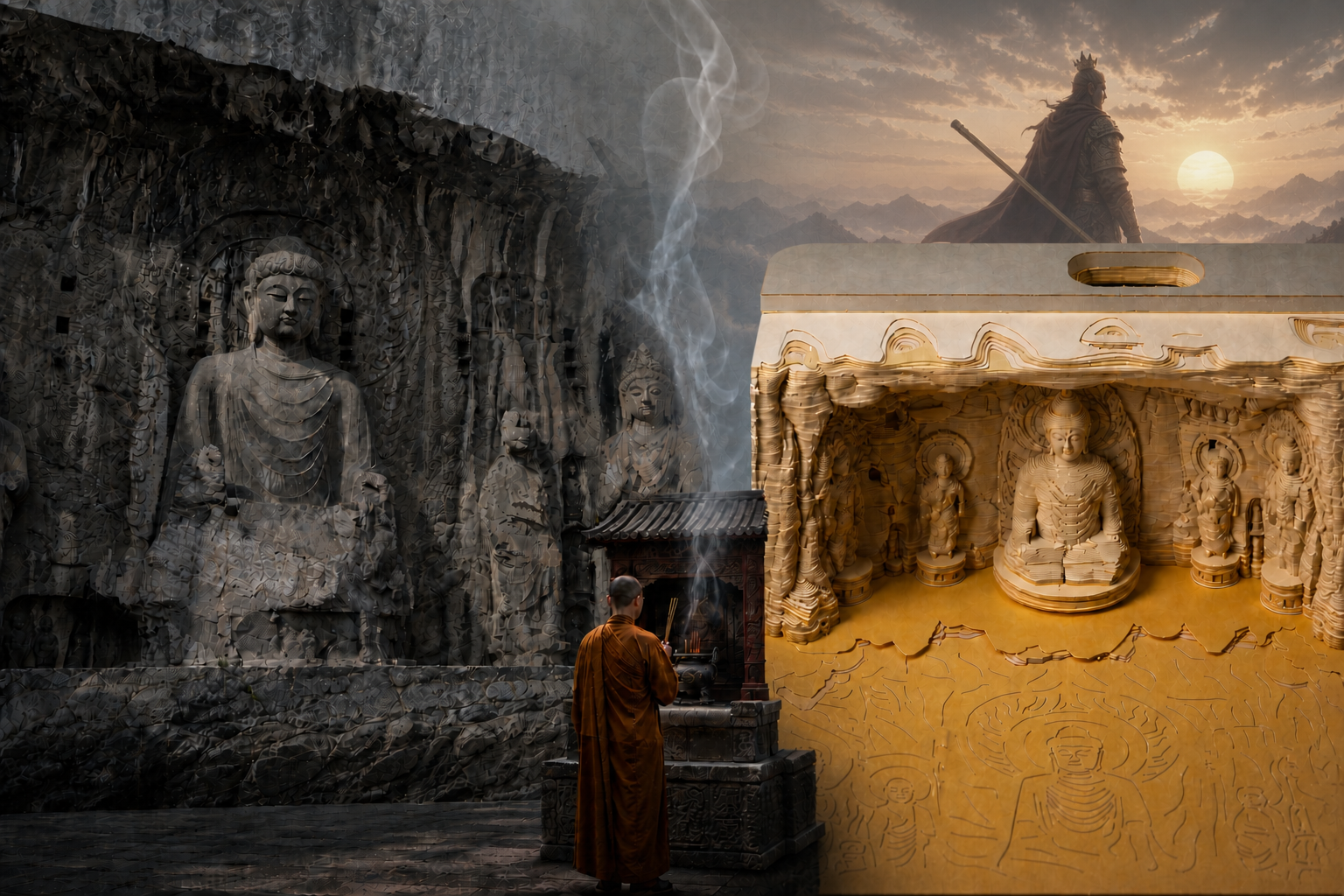
Museums huis ongelooflike artefakte wat besoekers verbied word om aan te raak – tog is die begeerte om fisies te verbind universeel. Ons 3D-papierbeeldhoukunsstukke vul hierdie spasie. ’n Voorbeeld is ’n farao se goudkleurige doodsmasker wat op ’n papierprofiel van die gesig oorgedra kan word, waar elke laag van die doodsmasker as ’n afsonderlike vlak van die gesig geïnterpreteer word – van die voorkopinlæg tot die seremoniële baard. ’n Ming-dinastie-vase word in ’n silindriese papierbeeldhoukunsstuk omskep, en die koelblou patrone word op die ringe gedruk wat een bo die ander gestapel word. In teenstelling met algemene nabootsings, word hierdie papierartefakte noukeurig vervaardig – en die handeling om elke laag weg te pluk, weerspieël die argeologiese ontdekkingsproses. Ons werk saam met kuratore om werke met goeie visuele silhoeëtte of bekende ikonografie te identifiseer, en ontwerp die beeldhoukunsstuk sodat hierdie sleutel-elemente blootgelê word. Die voltooide stuk nooi eienaars uit om sy kante met hul vingers na te trek – wat die museum se „kyk, moenie aanraak nie“ in ’n persoonlike, taktiele ervaring omskep.
Kulturele Elemente en Simboliese Motiewe: Buite Direkte Weergawe
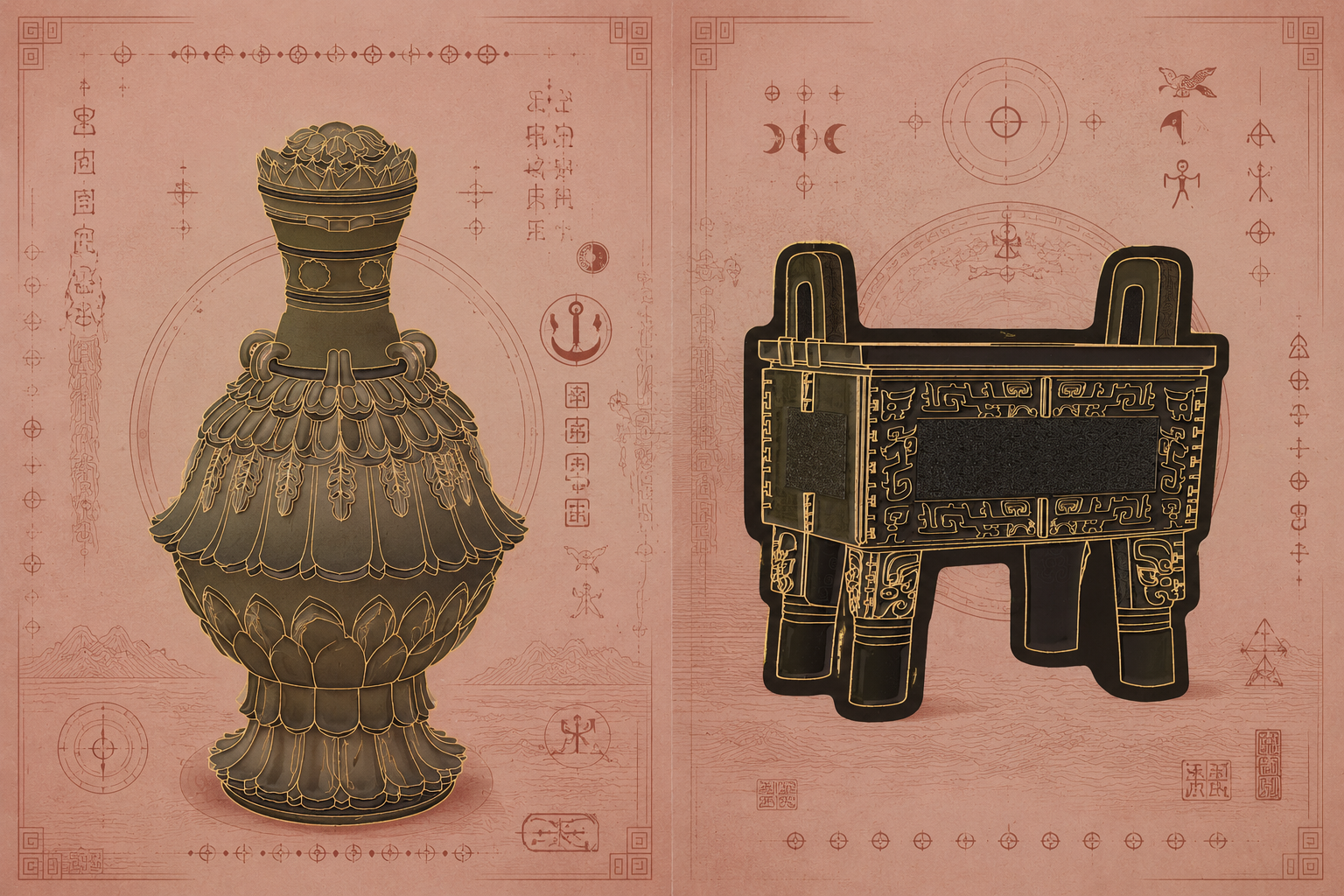
Sommige kulturele stories is nie met ’n spesifieke gebou of voorwerp verbind nie. Baie word uit patrone, kleure en simbole geweef – ’n Keltiese knop, ’n Aboriginêse stipverfwerk, ’n Japannese familiewapen of ’n tradisionele batikmotief. Ons is baie goed daarin om hierdie elemente abstrak te maak en dit skulpuurlik te vorm. Ons begin met ’n herhalende patroon van geometriese vorms van ’n Islamitiese moskee en verander dit eers in ’n mandala-vorm wat van die basis af opgelig word terwyl ons die bladsye afskeur. ’n Maori-beskilderingsspiraal word ’n dinamiese papiervorm met gekromde lyne wat beweging skyn te vertoon. Dit is veral nuttig vir kulturele instellings wat nie net ’n prentjie van die plek wil verkoop nie, maar ook die gees van die plek. Die beeldhouwerk tree as ’n gesprekspunt oor die kultuur agter die ontwerp op en word op versoek gedruk en gesny, sodat ons verskeie weergawes van die motief sonder herinstelling van die hele lyn kan druk en sny.
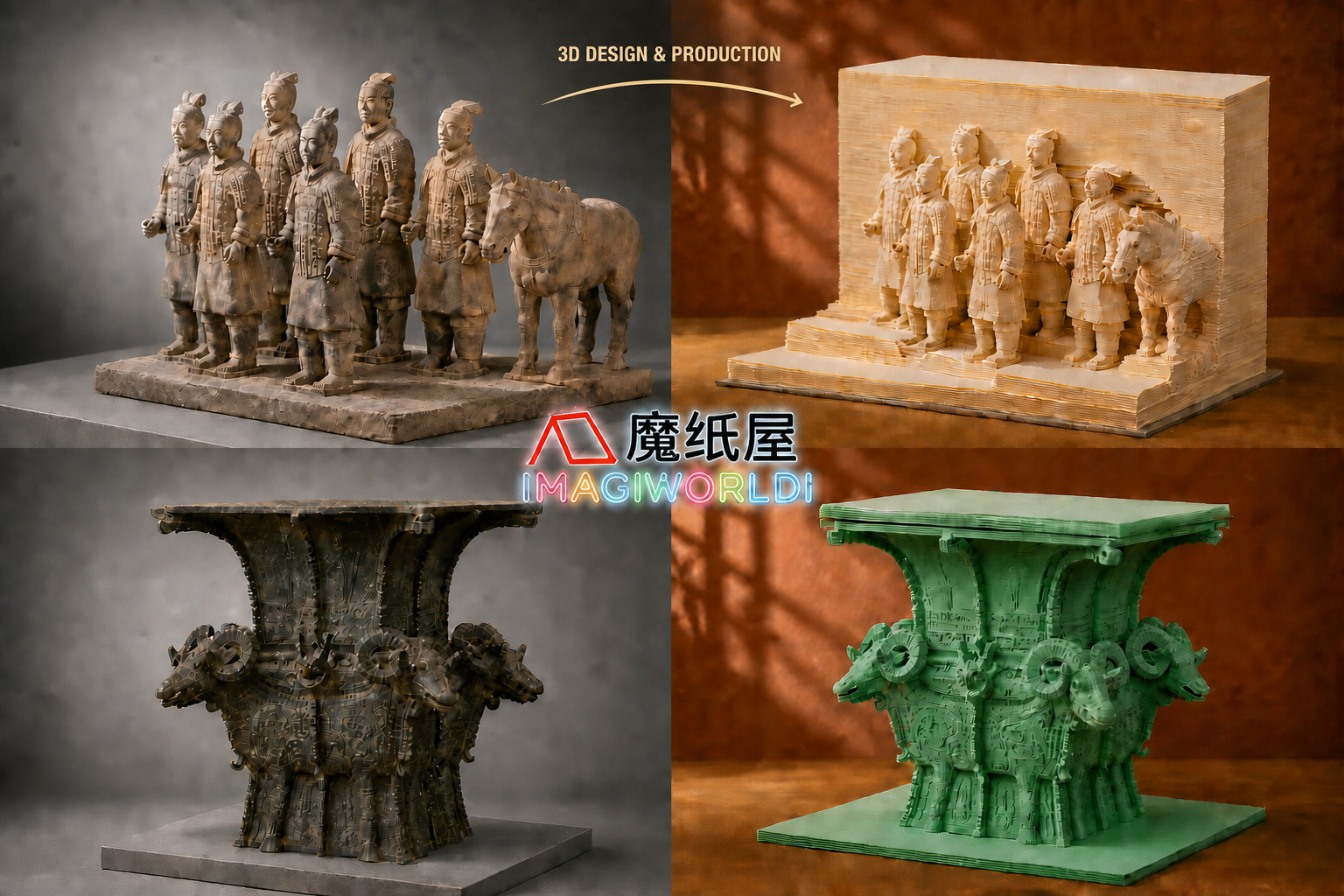
Aanpasbare Stelsels vir Betroubare Lewering
Mociworld is ’n verskaffer van papier-ingenieursoplossings – nie ’n klein ateljee wat handmatig papier sny nie. Ons ontwerpsentrum in Beijing omskep kulturele bates na parametriese digitale lêers, en ons vervaardigingsbasis in Shenzhen bied hoëpresisie stanssny-, vou- en samestellingsdiens op groot skaal. Met vyf takke kan ons een basiese raamwerk vir die beeldhouwerk (bv. ’n trapvormige pagode) ontwerp, en dan kan die buitelaaierwerk aangepas word volgens elke plek se omgewing, dakkleur, omringende bome, ingangsdetails ens., terwyl dieselfde raamwerk steeds met dieselfde vervaardigingsmal gehandhaaf word. Dit verseker konsekwente gehalte, ’n kort lewertermyn en voorspelbare eenheidskoste. Ons het ’n keuse van kleiner 50-bladsye notasboeke, ideaal vir geskenkwinkels, tot deluxe 200-bladsye notasboeke vir hoë-end skenkersgeskenke wat in ’n beskermende vertoningskas verpak word.
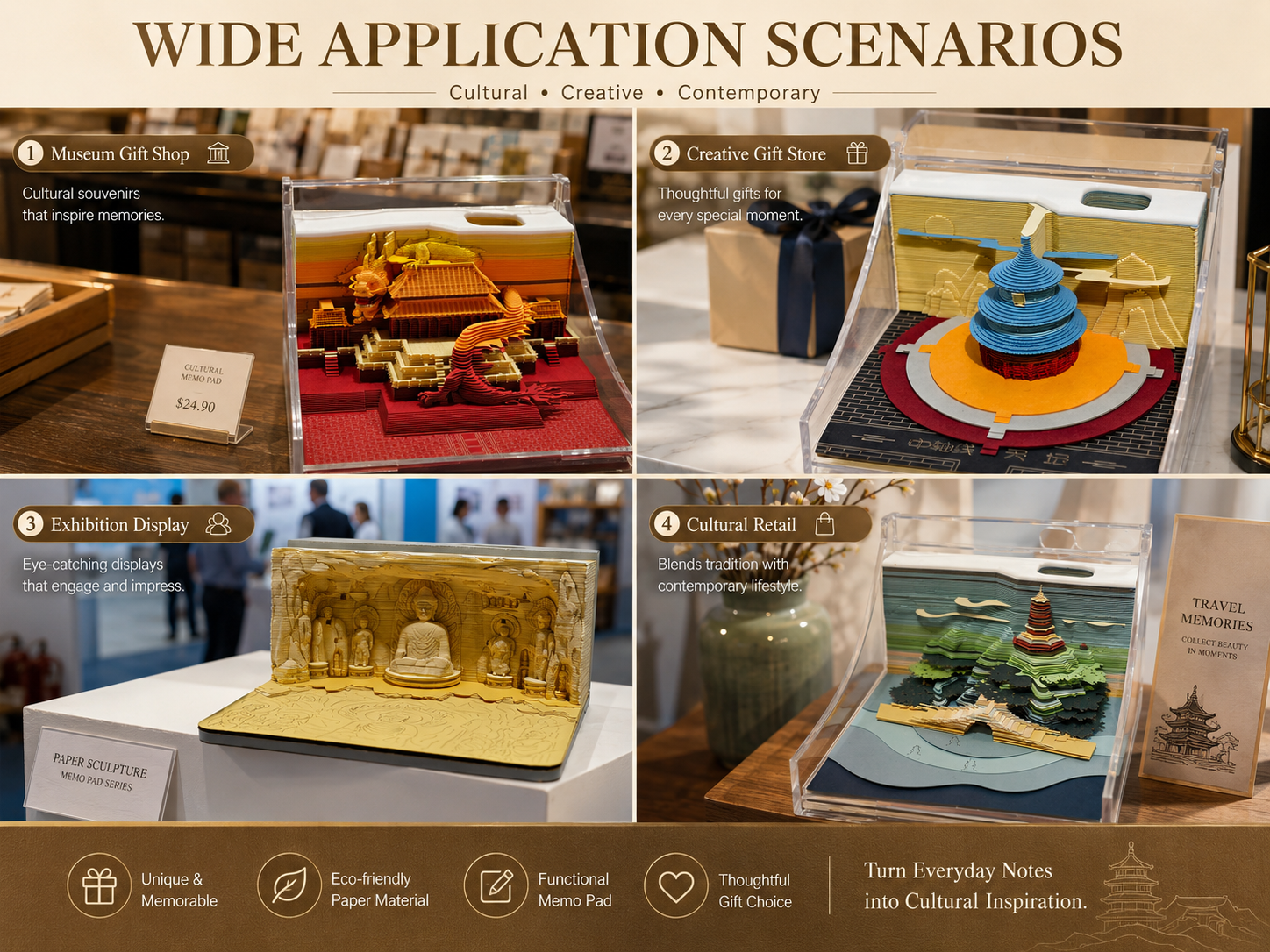
Hoekom kies musea en toeristebestemmings papierbeeldhouwerk bo tradisionele souveniers?
Eerstens is ’n gelaagde papierbeeldhouwerk, in ’n see van plastiek sleutelhangers en keramiese koppies, intellektueel en visueel gesofistiseerd. Tweedens, volhoubaarheid: ons produkte word vervaardig uit FSC-gesertifiseerde papier, watergebaseerde inkte en bevat geen plastiek nie, wat rekening hou met ’n toenemende omgewingsbewustheid onder kulturele besoekers. Derdens, interaktiwiteit: die gebruiker is nie net ’n koper nie, maar ’n aktiewe een wat die liggies wegskraap om die finale beeldhouwerk bloot te lê, wat so ’n onvergetelike ritueel skep. Vierdens, kleinhandel-veelsydigheid: plat verpakkinge neem min vertoningsruimte in beslag en is maklik om te versend, maar ontvou dan na wonderlike 3D-vertonings wat hoër pryse regverdig. Laastens, maar nie die minste nie, help ons instellings om beperkte opvoeringversamelings (soos “Jaar van die Draak” of “Eeu-feesversameling”) te ontwikkel om herhaalde besoeke en versameling te bevorder.
Gevolgtrekking: ’n Blywende indruk, laag vir laag
’n Poskaart vervaag. ’n Magnaat val van ’n yskas af. ’n 3D-papier-skulpuur, ontwerp om perfek te pas rondom die kurwe van ’n koepel, rondom ’n stammaske of rondom die ritme van ’n kulturele patroon, bly ’n klein monument tot die ervaring. By Mociworld verskaf ons nie net museums met papierprodukte nie; ons werk saam met hulle en ander besienswaardighede om hul identiteit in fisiese skulpure te integreer wat skaalbaar is, herhaalbaar is en uit papier gemaak kan word. Van ’n wêreldberoemde katedraal tot ’n plaaslike verborge juweel, sal elke besoeker iets meer as ’n herinnering huis toe neem — iets wat die geskiedenis en die vlakke van betekenis wat daarmee verbind is, dra: gevou, gelaag en vir altyd ’n herinnering.
Tabel van inhoud
- Van Argitektuur na Papier: Beeldhou van Geboue en Landmerke
- Asem in versamelings blaas: Museumvoorwerpe as 3D-verhale
- Kulturele Elemente en Simboliese Motiewe: Buite Direkte Weergawe
- Aanpasbare Stelsels vir Betroubare Lewering
- Hoekom kies musea en toeristebestemmings papierbeeldhouwerk bo tradisionele souveniers?
- Gevolgtrekking: ’n Blywende indruk, laag vir laag